PART 01

Cooperation Background & Strategic Opportunity

Saudi Aramco Energy

Saudi Arabia's "Vision 2030": Reshaping the driving energy landscape

  • Core objective: To promote the comprehensive upgrading and modernization of the oil value chain, rather than abandoning oil.
  • Strategic focus: Maximizing the value of oil and gas resources (developing refining), expanding the natural gas industry, promoting economic diversification, and achieving localized procurement.
  • Key project: Jafurah gas field development, with the goal of increasing natural gas production capacity by 80%.

Global Energy Landscape and Saudi Arabia's Strategic Role

  • Pattern characteristics: Traditional energy and new energy are developing in parallel, and global energy security has become the primary strategic issue of concern.
  • Saudi Arabia's role: As the world's largest crude oil exporter and major surplus capacity holder, Saudi Arabia plays an irreplaceable "safety valve" role in the global energy market.
Strategic Convergence

Strategic convergence points of China Saudi Arabia cooperation

Energy Cooperation Oil & Gas
πŸ“œ

Policy docking

China encourages enterprises to "go global", while Saudi Arabia actively attracts foreign investment and advanced technology.

🀝

Complementary advantages

China's manufacturing and engineering capabilities complement Saudi Arabia's oil and gas resources and capital reserves.

🀝

Long term cooperation foundation

Decades-long history of cooperation in the energy sector. China is one of the largest buyers of Saudi crude oil.

πŸ”¬

Integration of Technology and Capital

Deep combination of China's advanced technology and Saudi Arabia's strong capital strength promotes traditional energy upgrading and new energy innovation.

Jointly tackle challenges: Faced with global energy transition and climate change, China and Saudi Arabia share a common willingness to explore low-carbon technologies and develop new energy fields such as hydrogen energy.

PART 02

The Partner: Saudi Aramco
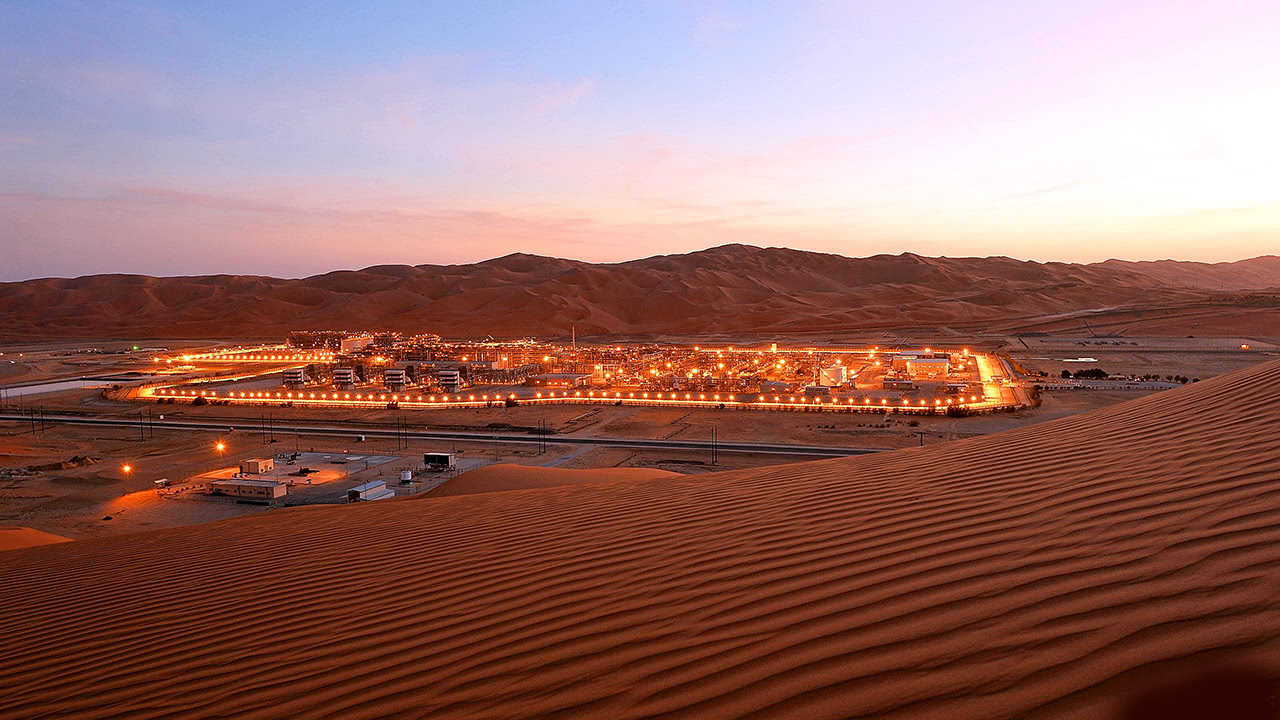
Saudi Aramco Oil Production

01 Global scale and status

  • Reserves and production: World's largest oil producer, with over 247 billion barrels of crude oil reserves.
  • Financial strength: By 2025, net profit expected to exceed 100 billion US dollars.
  • Market influence: Core member of OPEC+ organization.

02 Core Business and Future Trends

  • Core Business System: Complete business ecosystem from upstream exploration to downstream refining and sales.
  • Strategic Transformation: Digital transformation, data-driven approaches, and new energy fields such as hydrogen energy and CCUS.
πŸ›’οΈ

Chinese enterprise: a leading global provider of energy solutions

  • Superior Construction Capability (EPC): Top-level capabilities in design, procurement, and construction of large-scale energy projects.
  • Excellent operational capability: Comprehensive HSSE management system, excellent safety operation records.
  • Improve supporting facilities and supply chain: Full industry chain services, globally leading petroleum equipment manufacturing.
  • Intelligent upgrade capability: Smart oilfield solutions covering IoT, big data, and AI.
PART 03

Cooperation Proposal & Project Recommendations

Gas Field Refinery Energy
β›½

Deep development in natural gas field

Actively participate in the development of large natural gas fields such as Jafurah, provide full industry chain services.

🏭

Refining and chemical industry chain extension

Participate in downstream refining and chemical integration projects, converting crude oil into high value-added chemical products.

πŸ€–

Intelligent transformation of existing facilities

Utilize Chinese AI and industrial Internet technology to digitally transform existing oilfields and refineries.

🌱

Exploration of new energy and low-carbon technologies

Joint R&D and project investment in hydrogen energy, CCUS and other fields.

Core of the plan: Empowering Saudi Arabia's energy strategy in all aspects. The four major cooperation directions are precisely aligned with Saudi Arabia's "2030 Vision".

Feasibility

Feasibility and Necessity Analysis

βœ…

Technical Feasibility

Chinese enterprises have mature technologies and rich experience, fully meeting Aramco's strict quality and technical standard requirements.

πŸ’°

Economic Feasibility

Saudi Aramco has strong capital strength, with capital expenditures of 50-55 billion US dollars in 2026.

Necessity Analysis

  • For Saudi Arabia: A Key Pillar for Strategic Transformation. Introduction of China's advanced technology, management experience, and complete supply chain is key to realize Vision 2030.
  • For China: A Win-Win Strategic Layout. Deepening all-round energy cooperation helps ensure national long-term energy supply security and promotes export of high-end equipment manufacturing.
12M

Daily production capacity (barrels)

$104.7B

Net profit 2025

$50-55B

Capital expenditures 2026

75%

Iktva localization target by 2030

PART 04

Detailed Explanation of International Petroleum Project Cooperation Models

Production Sharing Contracts (PSCs)

International oil company bears exploration and development costs. After production, shares profit oil with resource country.
Features: High-risk, high-return. Suitable for new blocks with high exploration risks.

Technical Service Contracts (TSAs)

Resource country hires international oil company for technical support, pays service fees.
Features: Resource country maintains full control. Suitable for mature oil fields.

EPC / EPC+F

Design, Procurement, Construction (+ Financing)
Features: Owner management interface is highly simplified. Most commonly used for large-scale industrial projects.
Applicable: Large-scale engineering construction.

BOT

Build-Operate-Transfer
Core value: Introducing social capital, alleviating government investment pressure.
Typical scenario: LNG receiving stations, power plants, highways, sewage treatment plants.

Recommendations

Cooperation Model Selection Recommendations

β›½

Upstream Exploration & Development

Joint Venture (JV) with Saudi Aramco for joint investment and operation. Enables risk and benefit sharing.

πŸ—οΈ

Large-Scale Engineering Construction

EPC or EPC+F model. Gives full play to Chinese enterprises' comprehensive strengths in engineering construction.

🏭

Refining & Chemical Projects

Joint Venture (JV) model for joint investment, construction, and operation. Deeply binds interests of both sides.

πŸ€–

Intelligent Transformation Services

Technical Service Contract (TSA) model in a "pay-for-performance" manner. Lowers owner's trial-and-error costs.

PART 05

Saudi Oil Project Cooperation Process

01

Preparations & Qualification Pre-review

Market research, supplier registration, pass Aramco's strict qualification pre-review system.

02

Bidding & Contract Negotiation

Obtain bidding information, prepare and submit bidding documents, conduct commercial and technical contract negotiations.

03

Project Execution (Core Stage)

Form professional project team, implement Aramco's iktva procurement plan, high-standard HSSE management.

04

Project Delivery & Operation

Mechanical completion, system commissioning, final acceptance, warranty service or long-term operation.

Cooperation Key: Strictly abide by Aramco's standards, ensure localization and compliance go hand in hand.

Core Process Requirements: Professionalism β€’ Prudence β€’ Compliance β€’ Safety β€’ Win-Win

Partners

Potential Partners

πŸ›’οΈ

CNPC

China National Petroleum Corporation
Headquarters: Beijing, China

πŸ›’οΈ

CNOOC

China National Offshore Oil
Headquarters: Beijing, China

πŸ›’οΈ

Sinopec

China Petrochemical Corporation
Headquarters: Beijing, China

πŸ›’οΈ

Sinochem Holdings

Sinochem Holdings Corporation Ltd.
Headquarters: XiongAn, China

Thank You

Jointly Building Saudi Arabia's Energy Value Chain